

Brazil
Country: Brazil Brazil
Fazenda Camocim
Farm: Fazenda Camocim
Espírito Santo
Region: Espírito Santo

Coffee from biodynamic agriculture – A farm with a long tradition of sustainability

"Excellence is our raw material, quality of life the end product." (Henrique Sloper, former President of BSCA & owner of Camocim)

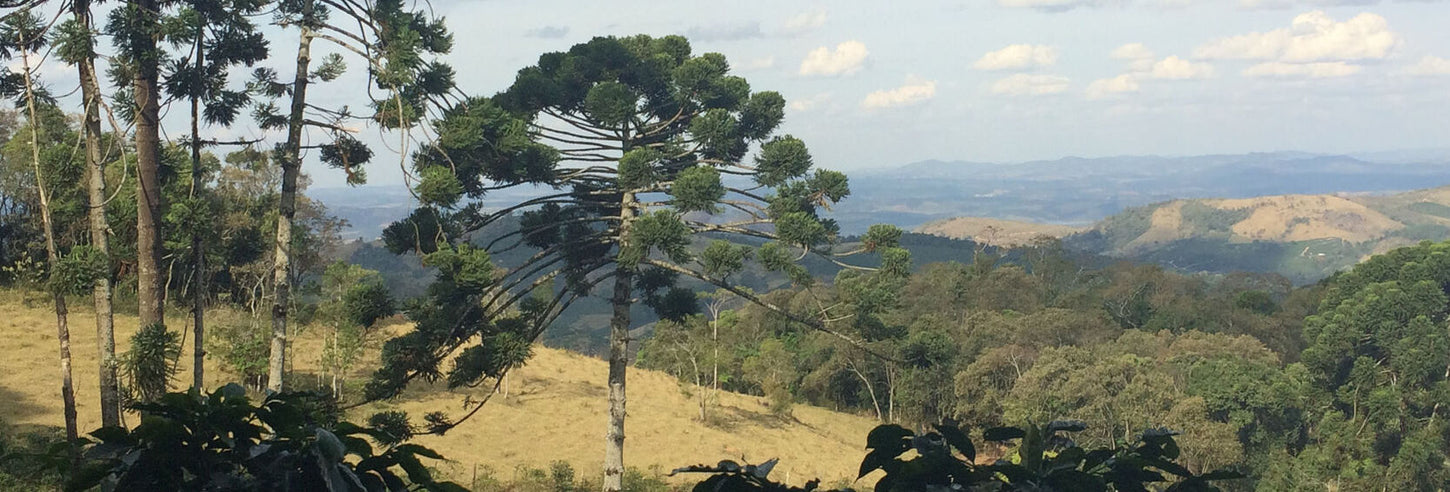
Camocim is a timber and coffee farm in Espírito Santo, Brazil. It is located at an altitude of approximately 1,200 meters and covers a cultivated area of ​​about 300 hectares.

Henrique Sloper, former president of the Brazil Specialty Coffee Association (BSCA), took over the farm from his grandfather and has been cultivating organic coffee there since 1999. Camocim is certified organic and biodynamic (Demeter). Henrique and his colleagues are committed to sustainable farming practices and active environmental protection. Therefore, biodynamic agriculture is a given. This approach didn't begin with coffee cultivation; Henrique's grandfather planted millions of trees long before environmental protection and the preservation of natural spaces became serious topics in Brazil.

Variety
Arabica (Catuai, Catucai, Bourbon)
Height
900 - 1300 m
Processing
fully washed
Harvest time
May - October
Harvest type
selective hand picking
Drying
Raised bed / terrace

Quality is paramount

The efforts undertaken by the operators of Camocim and the farm workers over many years focus particularly on two essential aspects: the most sustainable method of coffee cultivation and the highest coffee quality. The underlying conviction is that quality and environmental protection are not mutually exclusive, but rather mutually reinforcing.

Camocim sees itself as an integral part of the natural environment. Its cultivation and production processes are the result of respect for the environment and the cycles of natural processes. This complementary commitment to the highest coffee quality is accompanied by a philosophy: "Excellence is our raw material, quality of life the end product."

Cup of Excellence® is considered the world's leading competition for comparing coffee quality. For Camocim, success in participation is a key objective.
The unique and demanding work carried out on the farm over many years led to a microlot (single-origin coffee) being awarded a prize in the competition in 2017.

Organic farming

Organic farming prohibits the use of synthetic products from the chemical industry, such as synthetic fertilizers or fungicides. Organic farming, identified by the organic label, sets a minimum standard.

Organic farming results in healthier, tastier, and more nutritious food, thus benefiting consumers. Producers also reap significant benefits, as their workers are not exposed to harmful substances. This prevents negative impacts not only on the natural environment but also on the human body.

Particularly in developing countries and emerging economies like Brazil, environmental protection regulations and worker safety measures are less stringent compared to other European countries. Therefore, organic farming is given greater weight in this context.

Furthermore, biodynamic agriculture connects agricultural production with natural cycles: the sun, the moon, the planets, and the zodiac. This idea is not new; the science of biodynamics has been practiced for millennia. Consider the ancient Egyptians or the Incas of Peru: these peoples lived according to the cycles of the planets and the moon and were highly successful in agriculture long before humans had access to advanced technology.

Biodynamic agriculture

Biodynamic agriculture, recognizable by the Demeter seal, goes beyond organic farming. It follows the principles of anthroposophy according to Rudolf Steiner.

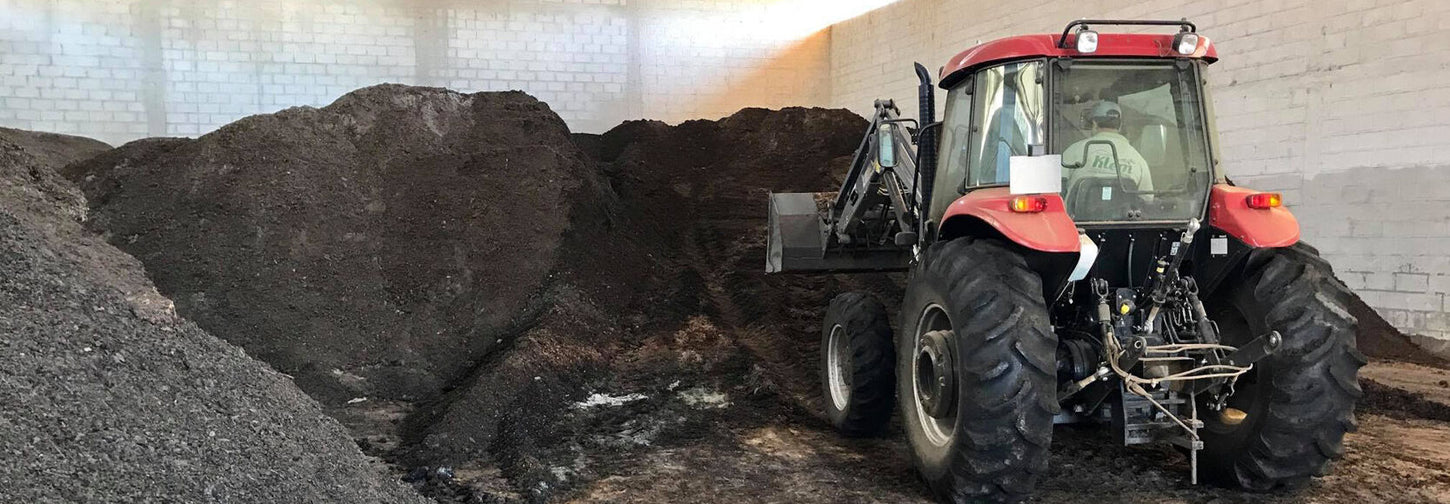
For example, biodynamic agriculture aims for a closed cycle. According to this principle, only as many animals should be kept as can be fed by the farm's land. The animals produce the manure needed for farming. The Demeter farm becomes an organism where the components exist in harmony and dependence on one another.

Camocim's farming practices follow a cycle based on these principles. Plants are treated with herbs and homeopathic remedies instead of chemical products. The result is healthier, more robust plants and food that is more nutritious and full of vital energy compared to conventional products.

Cultivation, harvesting and processing

The process from planting to marketing the green coffee beans is time-efficient, requiring considerable patience and adhering to biodynamic principles. This makes cultivation significantly more labor-intensive than conventional or organic farming.

Specific preparations must be made on the farm and applied to the trees and plants at least twice a year. In addition to timber and coffee, other agricultural products are cultivated and produced on the farm. This product diversity and the agroforestry systems necessitate an extensive and manual process.

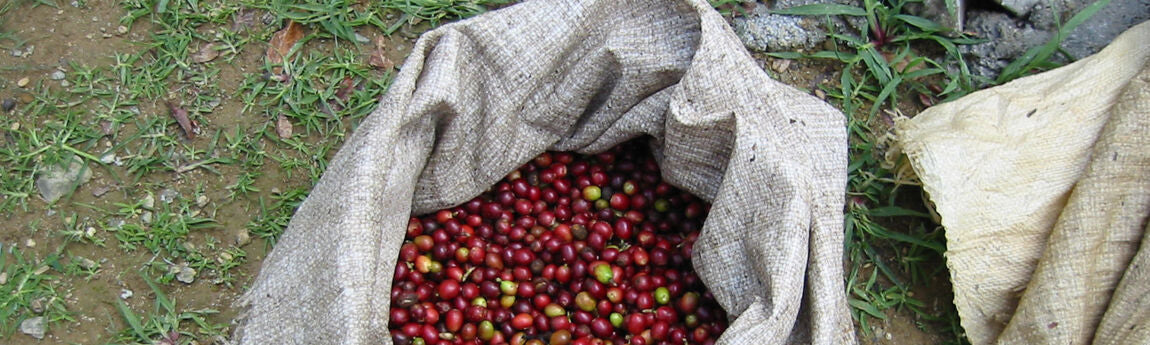
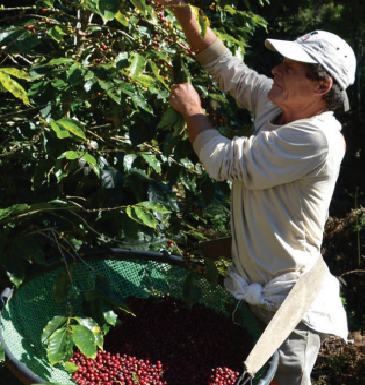
The coffee is marketed exclusively at fair prices through direct trade to organic and Demeter-certified buyers. Harvesting is also done selectively by hand. Only optimally ripened coffee cherries are picked. This necessitates up to four harvests per year during the harvest season between May and September. Green cherries remain on the coffee tree until they are fully ripe.

After harvesting, the coffee cherries are left to rest for a while to settle and reach equilibrium. They are then pressed, separating the fruit from the bean. The beans are then dried naturally by the sun on a suspended terrace. Finally, the dried coffee beans are inspected, cleaned of any remaining foreign matter, and sorted according to size.