

India
Country: India India
Ekata Coffee
Farm: Ekata Coffee
Nilgiri Mountains
Region: Nilgiri Mountains

The Nilgiri Mountains: Coffee from the green hills of India

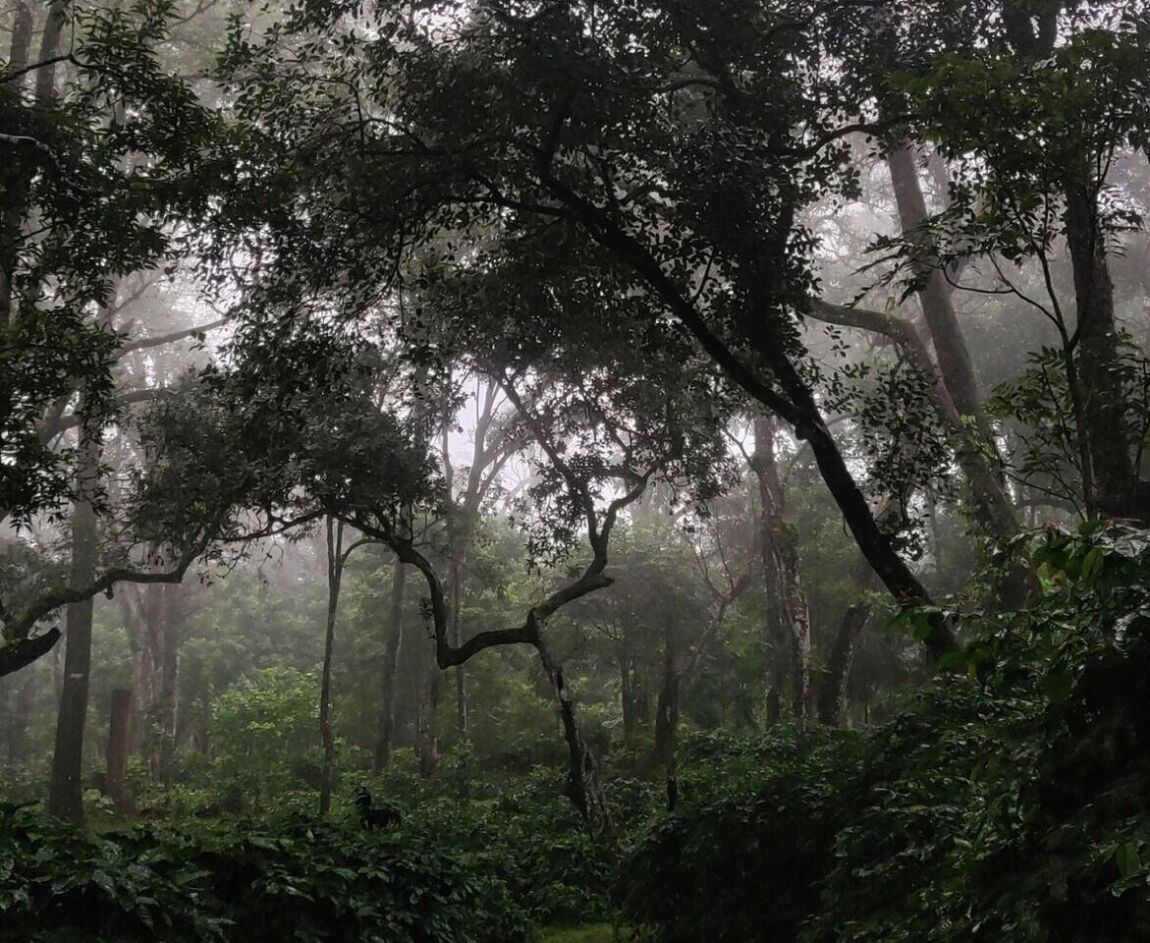
The Niligiri Mountains, also known as the Blue Mountains, offer ideal conditions for growing some of India's finest coffee. This majestic mountain range stretches from southern Karnataka, through Tamil Nadu, and into Kerala in southern India, reaching an altitude of 2,637 meters, and is part of the Western Ghats mountain range.

Our coffee from the Nilgiri Mountains comes from the Demeter-certified cooperative "Ekata" and is based on biodynamic principles. The cooperative's farms cultivate both Arabica and Robusta beans and prepare theCoffee in a variety of waysfrom “fully washed”, to “natural” to the most experimental processing methods such as “frozen cherry” or “koji fermentation”.

Oneness Coffee – Unity of coffee cultivation
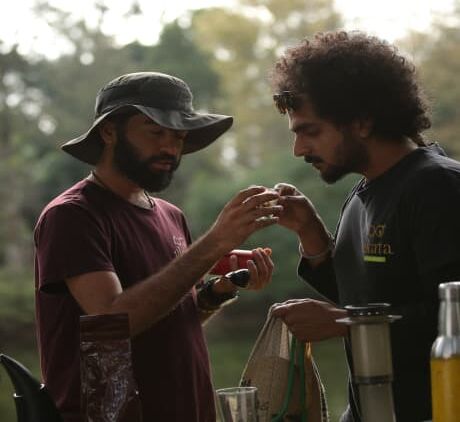
ForEkataFor us, sustainability and fairness are central to coffee cultivation. The three facets of sustainability – economic, ecological, and social – are equally important and permeate the entire supply chain. From the coffee farmer to the harvest worker to us as a coffee roaster, everyone in the value chain should be able to earn a good living from the product.

Ecological sustainability & biodynamics
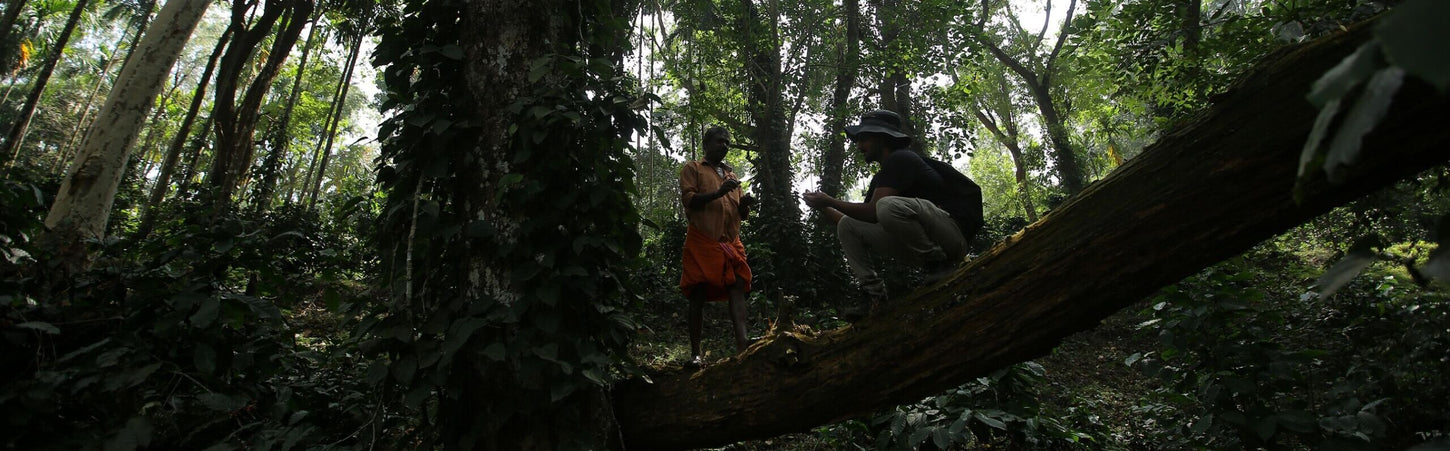
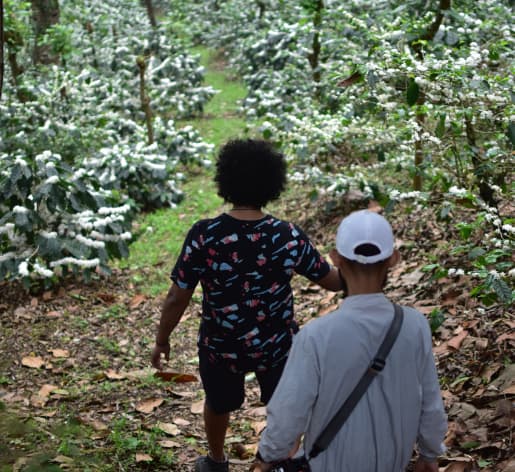
Since the cooperative's farms are based on the fundamental principles of the Demeter philosophy, they achieve the highest sustainability standards. This includes integrating coffee cultivation into a biodiverse ecosystem, which is based on the following principles:

Organic farming

The avoidance of fertilizers and pesticides is highly valued in biodynamic farming and is intended to protect the health of plants, animals, and humans. Furthermore, the absence of additives protects groundwater.

biodiversity

A biodiverse system consists of many different organisms at various levels within an agricultural area. It protects the entire ecosystem and provides a basis for life for many different living things, from plants and fungi to animals. These ecosystems act as a natural protective barrier against extreme weather events and other impacts of climate change.

Water management

Water is the world's most important resource, and coffee, when grown in monoculture, is an extremely water-intensive crop. The complex structure of the rhizosphere (the topsoil layer) allows the root system to retain water more effectively and also protects the plantation against erosion. This ensures that biodiverse systems require little to no external irrigation.

Biodynamics

Biodynamics describes the basic concept of the Demeter guidelines. Every Demeter farm should represent a self-contained cycle, i.e., an intact ecosystem. This includes the production of their own fertilizer based on animal waste and its further processing according to the lunar cycle.